Soho carpet cleaning for Carnaby Street shops and boutiques
Posted on 28/07/2026
Carnaby Street moves fast. Footfall is constant, displays change often, and a boutique floor can go from pristine to tired-looking in a single busy weekend. That is exactly why Soho carpet cleaning for Carnaby Street shops and boutiques matters: it keeps retail spaces looking sharp, welcoming, and properly cared for without making a fuss about it. In a street where first impressions are everything, the condition of your flooring can quietly shape how customers feel before they have even looked at your stock. This guide explains what the service involves, why it matters for local shops, how it works, and how to get better results with less disruption.
If you manage a fashion boutique, gift shop, concept store, accessories space, or small showroom, you will know the same thing repeated in a hundred different ways: clean carpets do not just look better, they help the whole shop feel more deliberate. A tired runner by the entrance, a coffee mark near the till, or that dull patch where people pause to browse can drag down the feel of an otherwise polished interior. Let's fix that, properly.
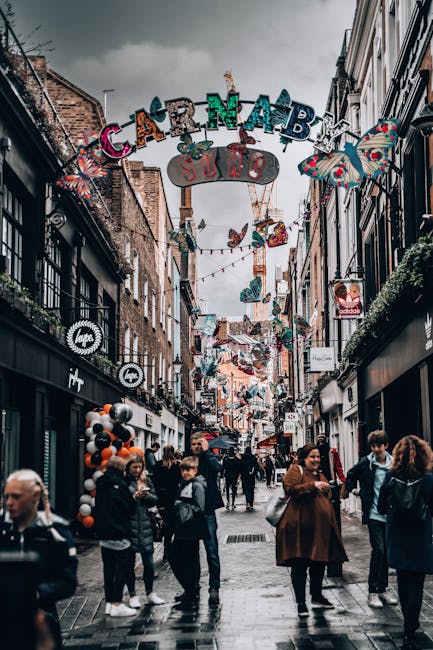
Why Soho carpet cleaning for Carnaby Street shops and boutiques Matters
Carnaby Street is not a sleepy retail parade. It is busy, visual, and competitive, with customers arriving already primed to notice detail. In that setting, carpets are not background decoration. They are part of the brand experience. A clean floor says the shop is maintained, cared for, and worth lingering in. A stained or flattened carpet does the opposite, even if the rest of the shop looks lovely.
There is also the practical side. Shops and boutiques in Soho tend to see a mix of weather, street dirt, packaging debris, and constant movement. Customers may step in from rain, employees may be carrying stock boxes, and fitting rooms often have a higher risk of cosmetic spills, shoe marks, and fibres building up in hidden corners. Add to that the nature of small retail interiors-sometimes compact, sometimes irregularly shaped, often with a lot of traffic near the entrance-and you have a space that needs ongoing attention, not just an occasional tidy-up.
To be fair, many owners only notice the carpet when it becomes a problem. That is normal. But by then, the issue is usually deeper than surface dust. Embedded grit can dull fibres, pressure marks can make high-traffic lanes obvious, and recurring spills can create odour or discolouration that a quick vacuum will never solve. A proper professional clean helps reset the space before those small issues start quietly undermining the shop's presentation.
It also supports the wider customer journey. People often judge a boutique by how it feels underfoot almost without realising it. Soft flooring, fresh air, and a well-kept sales floor encourage browsing. And browsing leads to dwell time. That part is simple. If the environment feels looked after, customers are more relaxed, and relaxed customers tend to stay longer. Funny how that works.
For multi-use spaces, the value can be even higher. A boutique that also hosts private shopping appointments, influencer visits, pop-up launches, or evening events needs the carpet to recover quickly between uses. In those cases, professional cleaning is not just cosmetic maintenance; it is part of protecting the business image.
How Soho carpet cleaning for Carnaby Street shops and boutiques Works
Professional carpet cleaning for retail premises is usually designed around three things: assessment, appropriate cleaning method, and sensible drying. The best results come from matching the method to the carpet type, the level of soiling, and the shop's trading hours.
1. Inspection and fibre assessment
A good clean starts with looking at the carpet properly. That means checking fibre type, pile condition, visible marks, wear patterns, edge build-up, and any delicate areas near displays or fitting rooms. Different fibres respond differently to moisture, heat, and agitation. A wool-rich carpet, for example, may need a more cautious approach than a synthetic one. This is where experience matters more than buzzwords.
2. Dry soil removal
Before any wet cleaning begins, loose grit and debris should be removed thoroughly. This step sounds basic, but it is crucial. If soil is left in the carpet, it can turn into slurry during cleaning and actually make extraction harder. In busy retail spaces, dust tends to settle around rails, under shelving, and in threshold zones. Those areas deserve proper attention, not a quick pass.
3. Spot treatment and pre-treatment
Stubborn marks are normally treated before the main clean. Common retail issues include beverage spills, makeup transfer, adhesive residue, and blackening from foot traffic. Pre-treatment helps loosen the soil so the main cleaning stage can do its job without over-wetting the carpet. If you have ever seen a stain "come back" after cleaning, that is often because the mark was never fully broken down in the first place.
4. The main cleaning method
Depending on the carpet and setting, a technician may use hot water extraction, low-moisture cleaning, or another suitable professional method. Hot water extraction is often chosen for deep soil removal, while low-moisture methods can be helpful where faster drying is a priority. The right choice depends on the site. A small boutique with heavy daily footfall may need a different plan from a showroom that hosts appointments by booking only.
5. Rinse, groom, and dry
After cleaning, the carpet should be rinsed or extracted carefully so residues are not left behind. Residue can attract new dirt faster, which is the sort of thing nobody wants. In many retail environments, grooming the pile also helps the carpet dry more evenly and look more presentable once the work is done. Then comes drying, which should be planned around shop trading so the floor is safe and usable again as soon as possible.
For businesses that want a broader property care plan, it can make sense to coordinate carpet cleaning with office cleaning in Soho W1 or with a wider interior refresh that includes upholstery cleaning in Soho W1. That is especially useful if your boutique has seating areas, consultation corners, or staff rooms that also affect the customer experience.
Key Benefits and Practical Advantages
The most obvious benefit is appearance, but there is more to it than looking nice for a couple of hours. A proper carpet clean has a stack of practical upsides for retailers in and around Carnaby Street.
- Improved presentation: clean flooring makes displays feel more premium and intentional.
- Better first impressions: customers notice freshness, even if they cannot explain why.
- Reduced visible wear: high-traffic lanes and dull patches are less obvious after deep cleaning.
- Less odour build-up: useful in small or enclosed boutiques where air can feel stale.
- Longer carpet life: removing gritty soil can help reduce fibre abrasion over time.
- More flexible event readiness: ideal before launches, sales, press visits, or private appointments.
- Supports staff morale: people work better in spaces that feel clean and cared for.
There is a commercial angle too. A neat, fresh shop floor can help keep attention where it belongs: on the products. If the carpet looks worn, customers sometimes read the whole space as lower quality, even when the merchandise is strong. That bias is subtle, but it is real.
Another benefit people sometimes overlook is consistency. Retail brands often spend time curating lighting, packaging, scent, and display styling, then let the carpet drift. The floor should not be the weak link. It is part of the same visual language.
Expert summary: For Carnaby Street boutiques, carpet cleaning works best when it is treated as routine brand maintenance, not an emergency response after a visible spill. Regular care is calmer, cheaper in the long run, and much easier on your opening hours.
Who This Is For and When It Makes Sense
This kind of service suits a wide range of Soho retail and hospitality-adjacent spaces, but it is especially relevant if your business depends on footfall, presentation, or repeat visits. In practical terms, it is for you if your space has carpeted zones that customers, staff, or guests actually use.
Common users include:
- Fashion boutiques with fitting rooms or soft-floor sales areas
- Jewellery and accessories stores with premium interiors
- Independent gift shops and concept stores
- Beauty retail spaces and consultation areas
- Showrooms that host appointments
- Small hospitality retailers with carpeted waiting or seating zones
- Mixed-use premises with both public and staff areas
Timing matters. Some of the most sensible moments for carpet cleaning are before a product launch, after a sale season, after wet weather has been especially relentless, or before a busy period such as Christmas. If you have ever walked into a shop in late November and felt that faint mix of damp coats, packaging dust, and rush-hour energy, you know why this matters.
It also makes sense when:
- you can see traffic lanes or dulling
- there is a lingering smell near the entrance or fitting area
- customers have reported marks, spills, or a tired-looking floor
- you are preparing the store for photos, events, or press coverage
- you want to align cleaning with a wider refresh
If your premises are more office-led than retail-led, the planning may look a little different. In that case, office cleaning in Soho W1 may be more relevant as part of the upkeep mix. And if your shop has been used as a temporary let or you are handing a space back to a landlord, end of tenancy cleaning in Soho W1 can be the cleaner wrap-up, depending on the occupancy terms.
Step-by-Step Guidance
If you are arranging carpet cleaning for a Carnaby Street shop or boutique for the first time, the process becomes much easier once you know what to expect. Here is a practical sequence you can work from.
- Walk the space with a clear eye. Note entrances, checkout areas, fitting rooms, staff zones, and any visible spots or odours. Take a few photos if needed. This helps you brief the cleaner properly.
- Identify the carpet type if possible. If you know whether the carpet is wool, synthetic, or a blend, mention it. If not, a good cleaner will inspect it before choosing the method.
- Choose timing around trading. Early morning, after closing, or on a quieter day may be the least disruptive. Some businesses prefer staggered cleaning by zone. Not glamorous, but very effective.
- Discuss problem areas in plain language. Point out the coffee spill near the till, the dark patch by the front door, or the fitting-room area that sees repeated use. The clearer you are, the better the result.
- Protect stock and fixtures. Move light items where possible, cover sensitive merchandise, and make sure access is clear. That saves time and avoids awkward little delays.
- Let the technician pre-treat and clean properly. Good results depend on the prep. This is not a race.
- Plan airflow and drying. Open access where safe, avoid blocking cleaned areas, and keep foot traffic light until the carpet is fully ready.
- Review the finished work. Check edges, corners, and known problem zones before everyone packs up. A quick walk-through at the end can catch little things.
That sequence sounds simple because, honestly, it usually is. The hard part is not the cleaning itself; it is fitting it neatly into a busy retail day without annoying customers or staff. A calm plan solves most of that.
Expert Tips for Better Results
Here is where the small gains live. These are the kinds of things that make a noticeable difference in a retail setting, especially in a high-footfall area like Soho.
- Vacuum more often than you think you need to. In busy shops, light daily vacuuming and a more detailed clean schedule are usually better than waiting for the carpet to look dirty.
- Use entrance control. Door mats or runners can catch grit before it reaches the carpet. Not exciting, but very effective.
- Deal with spills quickly. Blot, do not rub. Rubbing pushes the spill deeper and can rough up the pile.
- Rotate displays where practical. If one area gets the same traffic all the time, the wear pattern becomes obvious fast.
- Keep cleaning notes. Record recurring spots, stain types, and methods used. Over time, this helps you spot patterns.
- Schedule around weather. London rain and wet pavements are a real thing. If there has been a week of poor weather, your entrance carpet may need earlier attention.
- Think beyond the carpet. Fresh carpets look even better when the rest of the interior is in good shape, which is why some businesses pair the work with upholstery cleaning in Soho W1 or broader house cleaning in Soho W1 for staff accommodation or mixed premises.
A small but important tip: if you are planning a photoshoot, new season launch, or in-store event, clean the carpet before styling the space. That way you do not end up moving stock twice. Which, let's face it, nobody enjoys.
Common Mistakes to Avoid
Most carpet cleaning problems in boutiques come from rushing, under-briefing, or trying to solve a deep issue with a surface fix. A few common mistakes keep showing up.
- Only cleaning when stains become obvious. By then, the soil may already be embedded and harder to lift.
- Using too much moisture. Excess water can lengthen drying time and create a musty smell if ventilation is poor.
- Ignoring entry points. The front of the shop often needs more attention than the centre, because that is where grit enters.
- Not testing delicate areas. Some carpets or dyes need a more cautious approach. Guessing is not a strategy.
- Forgetting about edges and corners. Dirt builds where brushes and feet do not always reach.
- Leaving spills too long. Coffee, cosmetics, and food residues become much more stubborn once they set.
- Cleaning without a trading plan. Even excellent cleaning can feel disruptive if customers are stepping around wet zones without warning.
There is also the slightly awkward mistake of choosing a method based on what sounds powerful rather than what suits the carpet. "Stronger" is not automatically better. In some settings, gentler and more controlled is the right call. A decent cleaner will say that plainly.
Tools, Resources and Recommendations
You do not need a mountain of equipment to manage retail carpet care well, but a few practical tools make the process smoother and more effective.
| Tool or resource | What it helps with | Why it matters in retail |
|---|---|---|
| Commercial vacuum cleaner | Regular soil removal | Stops grit from building up in high-traffic areas |
| Entrance mats | Capturing dirt and moisture | Protects the main carpet near the doorway |
| Spot-cleaning kit | Quick response to spills | Helps prevent marks from setting |
| Microfibre cloths | Blotting and light cleaning | Useful for prompt spill control without spreading residue |
| Air movers or strong ventilation | Drying support | Reduces downtime after professional cleaning |
| Cleaning log | Tracking treatments and stains | Makes repeat maintenance more organised |
For businesses that want help beyond carpets, it can be worth looking at broader local cleaning support such as domestic cleaning for staff housing or carpet cleaning in Soho W1 for the main retail floor itself. If you are still deciding what level of support you need, browsing the company's blog can also help you compare scenarios in a more grounded way.
Law, Compliance, Standards, or Best Practice
Retail cleaning is not usually a heavily regulated specialty in itself, but there are still sensible standards and duties to keep in mind. In the UK, businesses are generally expected to manage their premises safely and keep them reasonably clean and usable for staff and visitors. For carpet cleaning, that usually means paying attention to slip risk, drying time, access control, and the safe use of cleaning products.
Good practice in a shop environment includes:
- making sure wet areas are clearly identified and not left open to avoidable foot traffic
- using products appropriately for the carpet type and following manufacturer guidance where relevant
- avoiding lingering residues that could make the carpet attract soil more quickly
- ensuring staff know when an area is safe to re-enter
- keeping ventilation in mind, especially in smaller or enclosed spaces
There is also a practical duty of care toward customers. If you are cleaning during trading hours, you should be confident the space remains safe and clearly managed. That is less about box-ticking and more about common sense, really.
If your shop is part of a larger tenancy arrangement, it is wise to check what is expected under your lease or fit-out agreement before scheduling deep cleaning or using stronger methods. Keep communication clear. If a landlord, managing agent, or neighbouring tenant is affected by drying time or access, say so early. That avoids awkwardness later on.
Options, Methods, or Comparison Table
Different carpet cleaning methods suit different retail situations. The right choice depends on the flooring, the trading pattern, and how quickly you need the area back in use.
| Method | Best for | Pros | Watch-outs |
|---|---|---|---|
| Hot water extraction | Deep soil removal and periodic restoration | Thorough, effective on embedded dirt | May require longer drying time |
| Low-moisture cleaning | Busy shops needing faster turnaround | Quicker drying, less disruption | May need more frequent maintenance |
| Spot treatment only | Small isolated marks | Fast and targeted | Not a substitute for full cleaning |
| Maintenance vacuuming | Daily care between deeper cleans | Prevents grit build-up | Will not remove deep staining |
For most Carnaby Street boutiques, a mixed approach works best: regular vacuuming, prompt spot treatment, and scheduled professional cleaning at sensible intervals. Not every carpet needs the same treatment every time. That flexibility matters.
Case Study or Real-World Example
Here is a simple real-world scenario. A small fashion boutique near Carnaby Street has a carpeted entrance zone, two fitting rooms, and a consultation corner. Over time, the entrance darkens from foot traffic, the fitting rooms pick up cosmetic marks, and the consultation area starts to smell a little stale on damp days. Nothing dramatic. Just enough to make the whole place feel tired.
The owner notices that customers hesitate at the doorway less often after the floor is refreshed, and staff stop doing that embarrassed shuffle around the darker patch near the till. The cleaning is scheduled for early morning, after stock is secured and before opening. Problem areas are pre-treated, the main clean is completed in sections, and drying is managed with open airflow and a careful reopening plan.
The key lesson is not that the carpet became perfect forever. That would be a fairy tale. The real win is that the space felt reset, the brand looked more intentional, and the next round of maintenance became easier because the floor was no longer fighting the rest of the interior.
If you are building a repeatable maintenance plan for a boutique, the same thinking can be applied to other local services too, especially if your premises combine retail, back-office work, or occasional residential use. The magic of Soho is partly that mix of uses; the cleaning plan should respect that reality rather than forcing everything into one tidy box.
Practical Checklist
Use this before booking or scheduling a carpet clean for a Carnaby Street shop or boutique.
- Identify the carpeted areas that matter most to customers
- Note visible stains, traffic lanes, and odour hotspots
- Check trading hours and choose a low-disruption time
- Confirm what needs moving and what can stay in place
- Tell the cleaner about delicate fibres or known problem spots
- Ask about drying expectations and access during the process
- Prepare mats, signage, and ventilation where needed
- Review the finished work before reopening fully
- Set a simple maintenance schedule for vacuuming and spot care
- Pair the clean with other relevant tasks if the space needs them
A tiny bit of planning saves a lot of hassle. And in retail, hassle is expensive in ways people rarely write down.
Conclusion
Soho carpet cleaning for Carnaby Street shops and boutiques is not just about removing visible dirt. It is about protecting presentation, keeping the customer experience polished, and making sure your space matches the quality you want people to feel the moment they walk in. In a street where every inch of frontage competes for attention, a fresh carpet can do quiet but important work.
The best approach is simple: clean regularly, treat spills early, choose the right method for the carpet, and plan the work around real trading life. That is what keeps a boutique looking curated instead of merely occupied. Truth be told, the floor often says more about a shop than people expect.
If you are ready to improve your retail space, get in touch with a local team that understands Soho's pace and Carnaby Street's standards. Whether you need a one-off deep clean or a practical ongoing plan, the next step is easier than it looks.
Get a free quote today and see how much you can save.
And if you are weighing up your options or want to understand how local cleaning services fit together, you can also request a quote or contact the team directly for a straightforward conversation. No drama. Just a cleaner, better-looking space.

From a young age, Blair has cultivated a passion for order, which has now matured into a prosperous profession as a waste removal specialist. She derives satisfaction from transforming disorderly spaces into practical ones, aiding clients in conquering the burden of clutter.


