What to know about carpet cleaning costs in Soho W1
Posted on 13/10/2026
If you are trying to make sense of carpet cleaning costs in Soho W1, you are probably asking the right question at the right time. Soho properties see a lot of foot traffic, mixed flooring, narrow stairways, and the odd coffee spill that seems to arrive with perfect timing. Costs can vary quite a bit, and not always for the reasons people expect.
This guide breaks down what affects pricing, how carpet cleaning is usually priced, what a fair quote should include, and where people often get caught out. You will also find practical tips for comparing services, a simple step-by-step approach, and a checklist you can actually use before booking. Let's face it, nobody enjoys paying more than they should for a job that should be straightforward.
Whether you are a homeowner, tenant, landlord, or business owner, understanding the real cost drivers helps you choose wisely and avoid awkward surprises when the invoice lands.
Why carpet cleaning costs in Soho W1 matter
Carpet cleaning is one of those services where the price looks simple until you get into the details. In Soho, that detail matters even more. Properties here are often compact, busy, and a bit varied in layout. A flat above a restaurant, a design studio, a town house, and a boutique office all bring different cleaning challenges. So when someone asks about carpet cleaning costs in Soho W1, they are really asking: what am I paying for, and what changes the price?
The answer is a mix of access, carpet condition, room size, fibre type, stain severity, and the cleaning method used. A quick freshen-up on a lightly used room is not the same as deep cleaning an office corridor with tracked-in grit. You would hope that would be obvious. Sometimes it is not, especially in rushed quotes.
Pricing matters because a low quote can hide important exclusions, while a high quote may include preparation, stain work, deodorising, or protective treatment. In a place like Soho, where time is tight and turnover can be frequent, knowing the difference helps you budget properly and avoid paying twice.
It also matters for maintenance. Regular cleaning can extend carpet life, preserve appearance, and reduce the need for replacement. That is not glamorous, but it is real money saved.
How carpet cleaning costs in Soho W1 works
Most carpet cleaning services are priced using one of a few common approaches: per room, per square metre, per staircase, or as a flat minimum call-out rate. The right model depends on the job size and how easy the space is to clean. In Soho, the minimum charge often matters because small jobs still take time, equipment, and travel.
The actual cleaning process usually starts with inspection. A cleaner will look at pile type, stains, wear patterns, and access. Then there is pre-vacuuming, spot treatment, and the main clean. Depending on the fabric and condition, that clean may be hot water extraction, low-moisture cleaning, or another method suitable for the fibre. Drying time then becomes part of the equation, especially if the room needs to be back in use quickly.
Here is the simple truth: not all carpet cleaning is priced equally because not all carpets are equally difficult. A wool carpet in a period property may need more care than a synthetic carpet in a modern office. If someone gives you a quote without asking questions, be cautious. A good cleaner should ask about access, stain type, and whether the carpet is heavily used or lightly maintained.
It is also worth noting that some companies bundle extras into the price, such as pre-treatment for traffic lanes, deodorising, or furniture moving. Others treat these as add-ons. That is where quotes can drift apart. On paper, they look similar. In practice, not so much.
Key benefits and practical advantages
Understanding carpet cleaning costs is not just about saving a few pounds. It helps you choose the right service level for the property in front of you. In Soho, where presentation matters and space is often limited, the benefits are easy to see.
- Better value comparison: Once you know what affects pricing, you can compare quotes on a like-for-like basis.
- Cleaner results: Matching the method to the carpet type improves the outcome and reduces the chance of damage.
- Longer carpet life: Routine maintenance helps protect fibres from embedded grit and wear.
- Faster planning: Clear expectations on drying and access make it easier to fit cleaning into a busy schedule.
- Less risk of disputes: A proper scope of work reduces awkward "that was extra" conversations later.
There is a practical side too. A well-cleaned carpet makes a room feel brighter, less tired, and frankly more sorted. You notice it when you walk in. The air feels fresher, the pile looks lifted, and the whole place stops looking as if it has had a hard week. Small improvement, big impact.
For commercial premises, presentation can matter just as much as cleanliness. If you are running a client-facing space, a cleaner carpet is not a luxury item. It is part of the impression you give people, and in Soho that impression starts quickly.
Who this is for and when it makes sense
Carpet cleaning in Soho W1 makes sense for a wide range of people, but the reasons differ. Homeowners usually want to remove stains, refresh a room, or keep things manageable in a busy flat. Tenants may need end-of-tenancy cleaning standards met. Landlords want a property to present well between occupants. Offices and retail spaces often need maintenance that fits around trading hours.
You may especially need to think about it if:
- the carpet has visible staining or a dull, flattened look
- there has been a spill, pet accident, or water ingress
- you are moving in or out of a property
- there are frequent visitors, staff, or customers coming through
- the room has a lingering smell that vacuuming alone will not fix
- you have not had the carpets professionally cleaned for a while
For smaller Soho apartments, one clean can often reset the feel of the whole place. For offices or hospitality-adjacent spaces, a maintenance schedule can be more sensible than waiting for visible dirt to build up. That is the thing with carpet care: waiting too long usually costs more later.
If you are also dealing with upholstery, it can be efficient to bundle services. For example, some customers compare carpet cleaning with upholstery cleaning in Soho W1 when they are refreshing a whole room rather than one surface. It is not always essential, but in the right setting it can be a sensible move.
Step-by-step guidance
If you want a clearer idea of what you are paying for, it helps to think of the process in steps. That way you can see where the labour, materials, and time go.
- Describe the carpet properly. Mention room size, carpet type if known, visible stains, and whether the property is residential or commercial.
- Ask about the cleaning method. Different methods suit different fibres and drying needs.
- Request an itemised quote. This helps separate the base clean from extras like stain removal or furniture moving.
- Check access details. Soho properties can be awkward for parking, loading, and stair access. That matters.
- Confirm preparation tasks. Ask whether you should vacuum first, move light furniture, or clear fragile items.
- Clarify drying time. This is often overlooked and then becomes inconvenient later in the day.
- Review aftercare advice. Good cleaning is not only about the visit itself; it is also about what happens afterwards.
A practical example: if you have a one-bedroom flat with a hallway and living area, a cleaner may charge differently from someone doing a single bedroom because travel, setup, and minimum labour are the same even if the floor area is modest. That is normal. A quote that seems high for a small job may still be fair if the cleaner has to bring equipment, park awkwardly, and work around building access. Soho is not exactly a wide-open industrial estate, is it?
Expert tips for better results
One of the best ways to control carpet cleaning costs in Soho W1 is to prepare well before the cleaner arrives. A little prep often saves time, and time affects price. To be fair, it also gives the cleaner a much better chance of doing a thorough job.
- Vacuum first if possible: Removing loose dust and grit makes professional cleaning more effective.
- Treat spills early: The longer a stain sits, the more effort it usually needs.
- Be honest about condition: Hiding pet stains or heavy wear does not help anyone.
- Ask about fibre care: Wool, synthetic, and blended carpets can need different treatment.
- Think about timing: A weekday morning clean may be easier to fit around drying than a rushed evening slot.
- Bundle where sensible: If you are already booking a deep clean, it may be more efficient to deal with rugs, stairs, or soft furnishings together.
One small but useful tip: if the room smells damp, musty, or stale, mention that before the appointment. Odour issues can change the treatment plan. And yes, even when the carpet looks fine, smells can tell a different story. That bit gets missed more often than you would think.
Another quiet win is to ask how the cleaner handles traffic lanes and edge work. The centre of a room may look acceptable while the edges, skirting line, and doorway path tell a different story. Those details separate a quick surface job from a better finish.
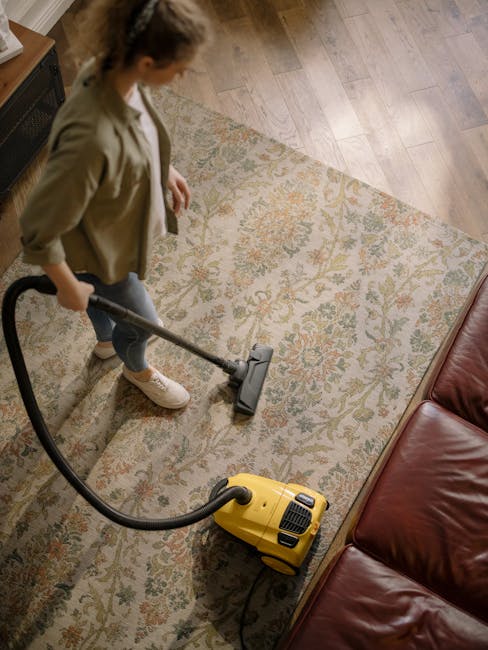
Common mistakes to avoid
The biggest mistake is assuming every quote covers the same thing. It rarely does. A quote that looks cheaper may exclude stain treatment, stairs, thick pile carpet, or parking time. Another common issue is choosing purely on price without checking whether the method suits your carpet. Cheap and cheerful sounds good until the fibres look worse after the clean.
Here are some mistakes worth avoiding:
- Not asking what is included: Always check whether stain removal and deodorising are extra.
- Ignoring access challenges: Tight staircases, no lift, or difficult parking can affect the final price.
- Booking too late: If you need carpets cleaned before check-out or a reopening, timing matters.
- Using the wrong method for the fibre: Delicate carpets need careful treatment.
- Expecting miracles on old damage: Deep wear, sun fading, and permanent stains cannot always be reversed.
- Skipping aftercare: Heavy use too soon after cleaning can undo some of the benefit.
There is also the little trap of not asking about drying time. People often think "cleaned" means "ready immediately." Not always. Depending on the method and the room's ventilation, the carpet may need several hours before it feels fully settled. If you are running a business or hosting guests, that is not a small detail.
Tools, resources and recommendations
You do not need specialist equipment to prepare for a carpet clean, but a few simple tools help. A decent vacuum, clean cloths for minor blotting, and a notepad for quote comparisons are enough for most people. If you are organising a full property refresh, you may also want to think about related services so everything lines up properly.
For example, some customers pair carpet cleaning with house cleaning in Soho W1 when preparing for guests, a move, or a tenancy handover. Others combine it with end of tenancy cleaning in Soho W1 when a property needs to be left in strong condition for the next occupant.
If you run a business, you may also want to coordinate with office cleaning in Soho W1 so the carpet clean fits around daily operations. That sort of planning matters more than people think. A cleaner carpet is great; a clean carpet that does not interrupt work is better.
Practical recommendation? Keep a simple comparison sheet with these columns:
- quoted price
- what is included
- cleaning method
- estimated drying time
- parking or access charges
- stain treatment costs
- availability date
This makes it much easier to compare bids properly instead of relying on memory. Memory is optimistic. Spreadsheets are less charming, but more reliable.
Law, compliance, standards, or best practice
There is no single universal rule that fixes carpet cleaning prices, but there are sensible best practices in the UK that customers should expect. A cleaner should be transparent about the scope of work, any extra charges, and any limitations on stain removal or results. That basic clarity protects both sides.
If waste water, detergents, or soil are removed during cleaning, responsible disposal matters. In central London, customers should be aware that cleaning waste and disposal practices need to be handled properly. For anyone interested in the details, this business also discusses Westminster Council rules for disposing cleaning waste in Soho, which is useful context for commercial and residential settings alike.
Best practice also includes care around fabric type, ventilation, drying, and safe use of chemicals. A reputable cleaner should explain what is suitable for your carpet rather than pushing one method for every job. That is usually the mark of a more thoughtful service.
If you are a landlord, managing agent, or business owner, it is sensible to document the clean, especially where tenancy standards or internal facilities policies apply. No drama, just sensible record-keeping. It saves arguments later, and those are never fun.
Options, methods, or comparison table
Different cleaning methods suit different carpets and budgets. The right choice depends on how dirty the carpet is, how quickly you need it dry, and how delicate the fibres are. Here is a simple comparison to help you think it through.
| Method | Best for | Typical strengths | Potential drawbacks |
|---|---|---|---|
| Hot water extraction | General deep cleaning, heavily used carpets | Strong soil removal, effective for embedded dirt | Longer drying time, not ideal for every delicate fibre |
| Dry or low-moisture cleaning | Quick turnaround, lighter commercial use | Faster drying, convenient for busy spaces | May be less intensive on deep soil in some cases |
| Spot or stain treatment | Specific spills or problem areas | Targets visible issues directly | Not a full clean on its own |
| Maintenance clean | Regular upkeep for homes or offices | Keeps appearance fresher between deeper cleans | May not restore badly neglected carpets |
As a rule of thumb, the cheapest method is not always the most economical. If a low-cost clean leaves a stubborn stain untouched, you may end up paying again. On the other hand, a full deep clean every time is not necessary for every room either. The best choice sits somewhere in the middle, based on actual need.
That is especially true in Soho, where a small flat and a busy shop floor are two very different animals. One wants careful fabric treatment. The other may need speed and consistency. Same postcode, very different job.
Case study or real-world example
Consider a typical Soho scenario: a one-bedroom flat near a lively street, with a living room carpet that has a few food marks, dull traffic lanes by the doorway, and a hallway that gets constant use. The owner wants it cleaned before guests arrive on Friday evening. Not a giant project, but not a simple "quick spray and pray" either.
The quote changes depending on three things. First, the cleaner needs to account for access and minimum call-out time. Second, the carpet has visible marks that need pre-treatment. Third, the turnaround matters because the room must be ready quickly. If the owner also asks for upholstery cleaning, the job may become more efficient as a combined visit, but the total price will rise accordingly.
In a different case, a small office close to Carnaby Street may need carpet freshening after a busy season. There may be footfall from staff and customers, but the schedule only allows limited cleaning windows. A low-moisture method may be preferable because the team cannot wait half a day for the floor to dry. That is exactly the kind of real-world trade-off that affects carpet cleaning costs in Soho W1.
What these examples show is simple: the same square footage can produce a very different quote depending on access, urgency, fibre type, and how much restoration is actually needed. Once you understand that, pricing becomes much less mysterious.
Practical checklist
Use this checklist before you book. It helps you compare services on substance, not just headline price.
- Know the room sizes or approximate carpeted area
- Check whether the carpet is wool, synthetic, or mixed fibre
- List visible stains, odours, and high-traffic areas
- Ask what the quote includes and excludes
- Confirm the cleaning method and drying time
- Ask about furniture moving and preparation
- Check whether parking, access, or congestion adds cost
- Find out if stairways, hallways, or landings are priced separately
- Ask about aftercare and how soon the room can be used again
- Compare at least two quotes if the job is not urgent
If the answer to any of those points is vague, keep asking. A clear quote usually means a smoother job. And if it all still sounds a bit messy, that is often your signal to slow down and get more detail before you commit.
Conclusion
What to know about carpet cleaning costs in Soho W1 comes down to a few practical truths: the size of the job matters, the carpet type matters, access matters, and the cleaning method matters. Once you look beyond the headline price, it becomes much easier to judge value properly.
Soho properties are varied, busy, and often a little awkward to service in the nicest possible way. That does not mean carpet cleaning has to be complicated. It just means the best quote is usually the one that asks the right questions, explains the scope clearly, and gives you a realistic outcome rather than a shiny promise.
If you want a cleaner, fresher space without guesswork, take a moment to compare what is included, how long the clean will take, and whether the method suits your carpet. A bit of clarity now saves money, time, and frustration later. That is a decent trade-off, really.
Get a free quote today and see how much you can save.
And if you are still weighing it up, that is fine too. Good decisions are rarely rushed. They tend to feel calm, clear, and nicely boring in the end.

From a young age, Blair has cultivated a passion for order, which has now matured into a prosperous profession as a waste removal specialist. She derives satisfaction from transforming disorderly spaces into practical ones, aiding clients in conquering the burden of clutter.


